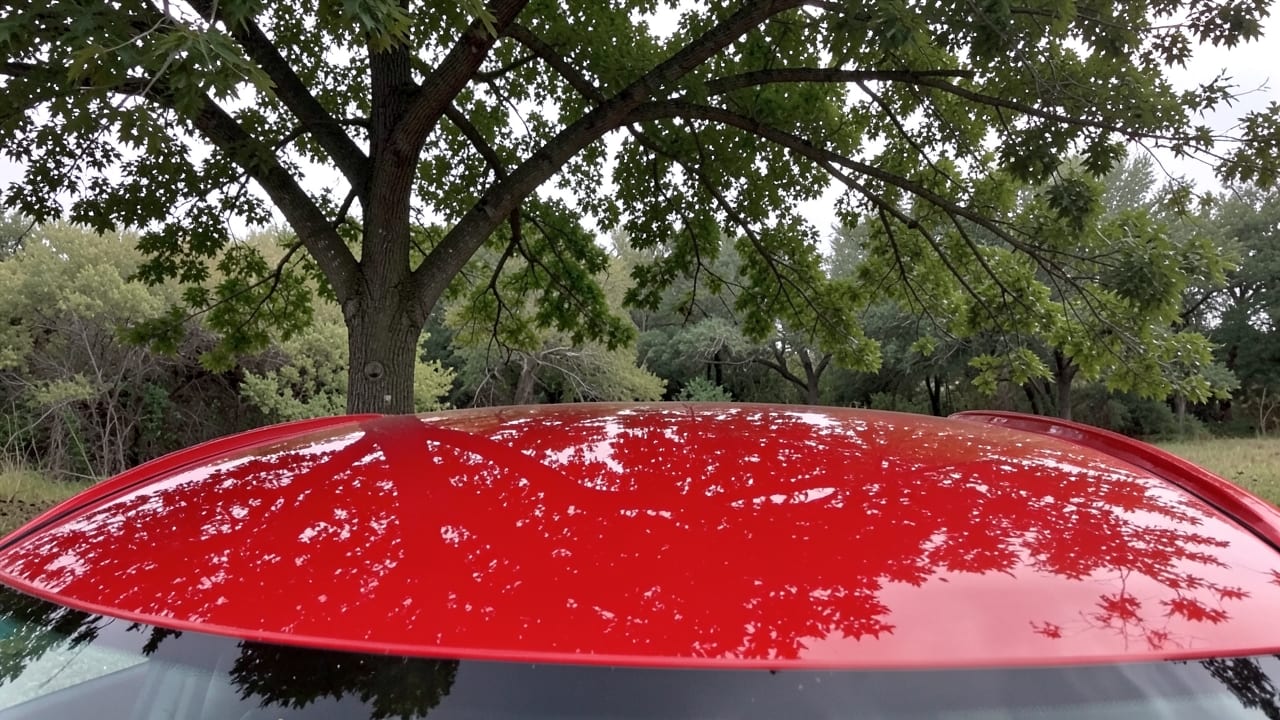
Tree Sap Removal
Professional removal of tree sap from vehicle surfaces using safe, paint-friendly methods.
Tree sap removal in Baton Rouge, LA, is a specialized service that restores your vehicle’s paint and surfaces by carefully dissolving sticky sap residues without causing damage.
Baton Rouge’s humid climate and frequent tree sap buildup from local species like live oaks and cypress trees make this service essential for maintaining your car’s finish. A targeted approach ensures sap is removed safely, followed by protective treatments to prevent future bonding and damage.
We also handle Wheel & Brake Caliper Ceramic Coating and Interior Ceramic Protection for Baton Rouge vehicles.
When tree sap removal is needed
Tree sap can leave stubborn, sticky marks that resist normal washing, especially on lighter paint colors. If you notice dark spots that feel rough under your hand or leave a faint shadow after wiping, sap has likely bonded to the surface.
Sap spots that reappear after parking under the same tree or feel gritty even after washing are signs a deeper treatment is required.
Unlike surface dirt, embedded sap requires specialized cleaners and mechanical lifting to avoid scratching the paint. Ignoring it can lead to long-term damage, including paint etching or loss of shine. Baton Rouge’s climate accelerates sap bonding, so prompt removal is key to preserving your vehicle’s finish.
Signs You Need Tree Sap Removal
- Dark, sticky spots that don’t wash off with soap and water
- Paint that feels rough or gritty under a clean hand
- Sap marks that leave a faint shadow after wiping
- Spots that reappear after parking under the same tree
- Orange or rust-colored specks (brake dust) concentrated behind wheels
How tree sap removal differs from general cleaning
Not all contaminants respond to the same treatment. Tree sap, for example, requires a specific adhesive remover to break it down, while brake dust needs an iron remover. Using the wrong product can smear contaminants across a wider area or even scratch the paint.
A proper removal process identifies the contaminant first, then applies targeted chemistry and mechanical lifting if needed.
Skipping steps like clay bar treatment or protective follow-up can leave residues under the coating, reducing its effectiveness. In Baton Rouge, where humidity and tree sap are common, a thorough removal process ensures contaminants are fully lifted and the paint is restored to its original protection level.
| Contaminant Type | Required Treatment | Risk of Wrong Product |
|---|---|---|
| Tree sap | Adhesive remover + clay bar | Smearing or paint damage |
| Brake dust (orange specks) | Iron remover + dwell time | Scratching or embedded particles |
| Tar or industrial fallout | Tar-specific solvent + mechanical lift | Surface etching |
| Bird droppings | Acid-neutralizing cleaner | Paint discoloration |
Why timing matters in Baton Rouge’s climate
Tree sap and other contaminants bond more quickly in Baton Rouge’s humid environment. Leaving sap untreated for even a few days can make it harder to remove, increasing the risk of paint damage.
Regular rinsing or spot-treating contaminants within 48 hours prevents them from becoming embedded, saving time and money on full decontamination later.
Parking away from sap-producing trees or industrial areas reduces how often contaminants land on your vehicle. A spray sealant applied after removal adds an extra layer of protection, making it harder for future sap to bond as deeply.
How tree sap removal works
A precise, multi-step process ensures sap is removed safely without damaging your vehicle’s finish.
- 1Contaminant Identification
The sap or contaminant is inspected under direct light to confirm its type. Tree sap, brake dust, or tar each require a different chemical treatment to avoid smearing or scratching.
- 2Targeted Chemical Treatment
A specialized adhesive remover is applied to the sap and allowed to dwell for several minutes to break it down. This step is critical—using the wrong product can worsen the damage.
- 3Mechanical Lifting (If Needed)
A clay bar or mitt is gently worked over the treated area with a lubricant to lift any remaining residue. This prevents grit from dragging across the paint during removal.
- 4Rinse and Inspection
The area is rinsed thoroughly and inspected under direct light to ensure all sap is gone. Some contaminants may appear removed indoors but reappear outdoors.
- 5Protective Follow-Up
A spray sealant is applied to restore the paint’s protective layer, which may have been stripped during the removal process. This step prevents future contaminants from bonding as easily.
Frequently asked questions
How do I know if my car’s sap stains are bad enough for professional removal?
If the sap feels rough under your hand, leaves a shadow after wiping, or reappears after washing, it’s likely bonded and needs professional treatment. Small spots that wash off with soap and water can often be handled with a gentle cleaner.
Will tree sap removal damage my car’s paint if not done correctly?
Improper removal—like scrubbing before chemicals dwell or using the wrong product—can scratch the paint. A professional uses targeted chemistry and mechanical lifting to avoid damage while fully lifting the sap.
How long does tree sap removal take, and can it be done on-site?
The process typically takes 1-2 hours per vehicle, depending on the extent of sap buildup. It’s usually done at a dedicated facility with proper lighting and tools for precise work.
Does tree sap removal include any protective coating afterward?
Yes, a spray sealant is applied after removal to restore the paint’s protective layer. This helps prevent future sap from bonding as deeply, extending the time between treatments.
Where Baton Rouge sits, and what the Census lists nearby
Baton Rouge sits in Louisiana, and the closest places listed in the U.S. Census Gazetteer are Westminster (3.4 miles southeast), Merrydale (4.4 miles north), Port Allen (4.4 miles west), Inniswold (4.7 miles southeast). Within 25 miles of Baton Rouge the same source lists 38 distinct incorporated places and census-designated places.
Those figures matter for tree sap removal because they are straight-line distances between Census coordinate points: road mileage between Baton Rouge and Westminster runs longer than the 3.4 miles shown, which is why quotes for the same job differ between towns that look close together on a map.
Source: U.S. Census Bureau Gazetteer.
See Gardere, LA for more, or check out our complete Baton Rouge service list from start to finish for our complete lineup.
Ready to get started?
Talk to a local ceramic coating pro in Baton Rouge — get a written quote.
Other Ceramic Coating Services in Baton Rouge
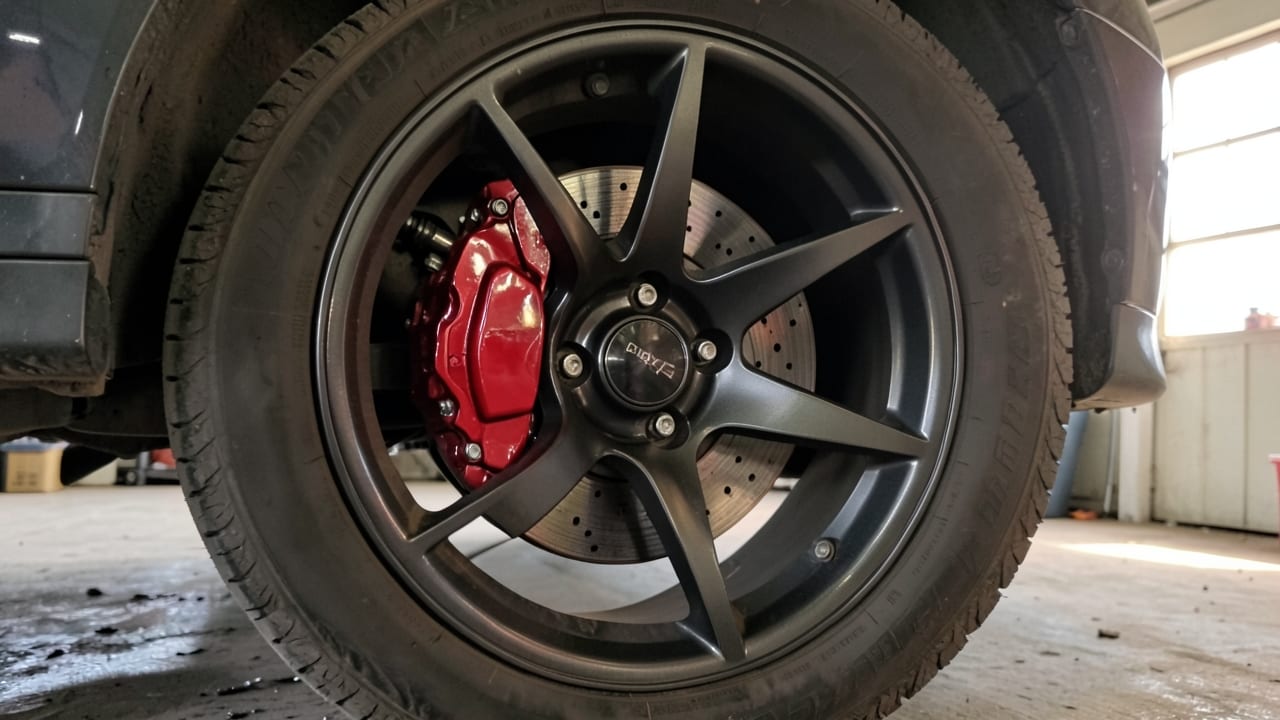
Wheel & Brake Caliper Ceramic Coating in Baton Rouge, LA
Dedicated ceramic coating for wheels and brake calipers in Baton Rouge, LA — stops brake dust and corrosive grime from bonding to the finish.
Learn More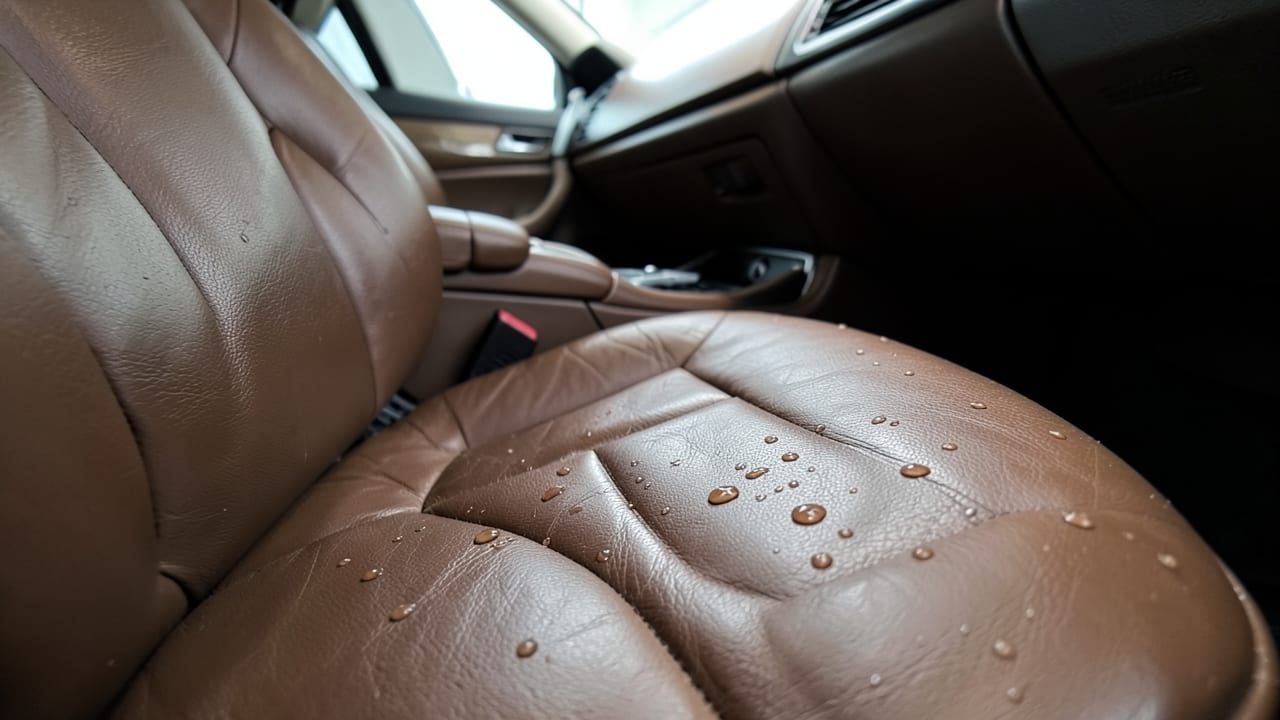
Interior Ceramic Protection in Baton Rouge, LA
Interior fabric, leather, and trim ceramic protection in Baton Rouge, LA — guards against spills, UV fading, and daily wear.
Learn More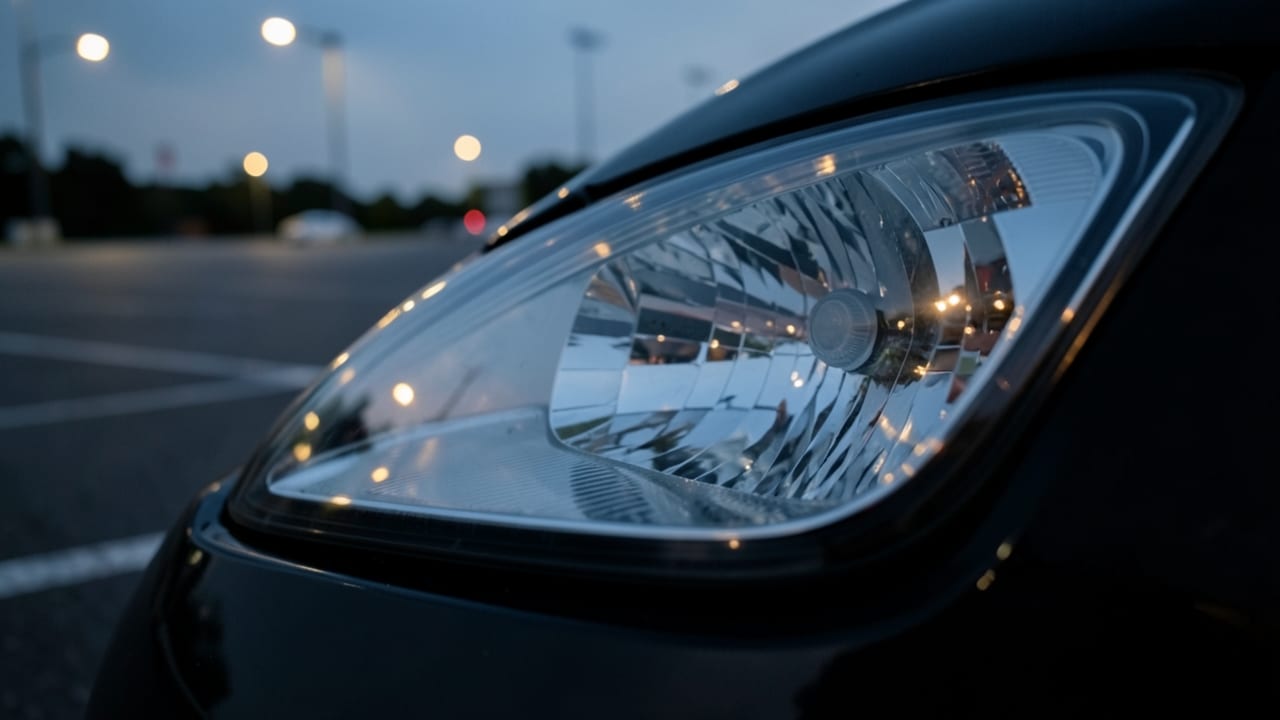
Headlight Restoration & Coating in Baton Rouge, LA
Headlight restoration and UV-protective coating in Baton Rouge, LA — restores clarity and nighttime visibility without replacing the assembly.
Learn More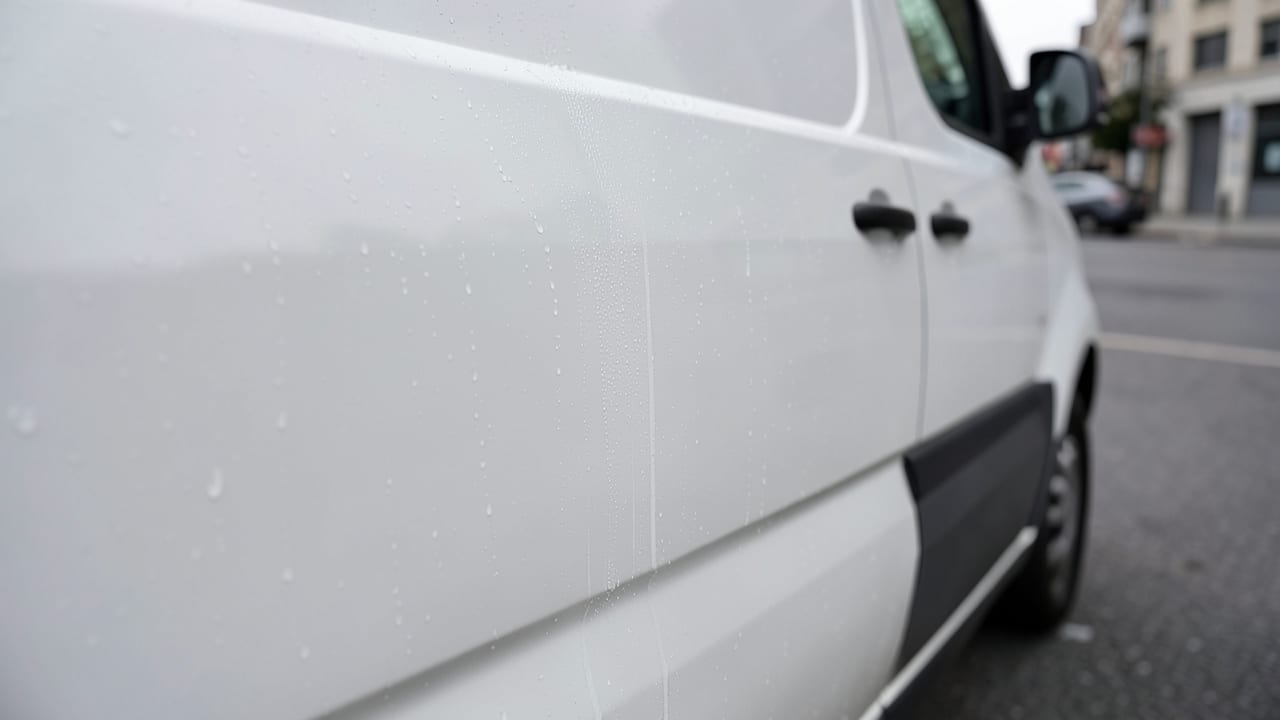
Fleet & Commercial Vehicle Coating in Baton Rouge, LA
Ceramic coating programs for fleets and commercial vehicles in Baton Rouge, LA — faster washing, longer-lasting branded wraps, and protected resale value.
Learn More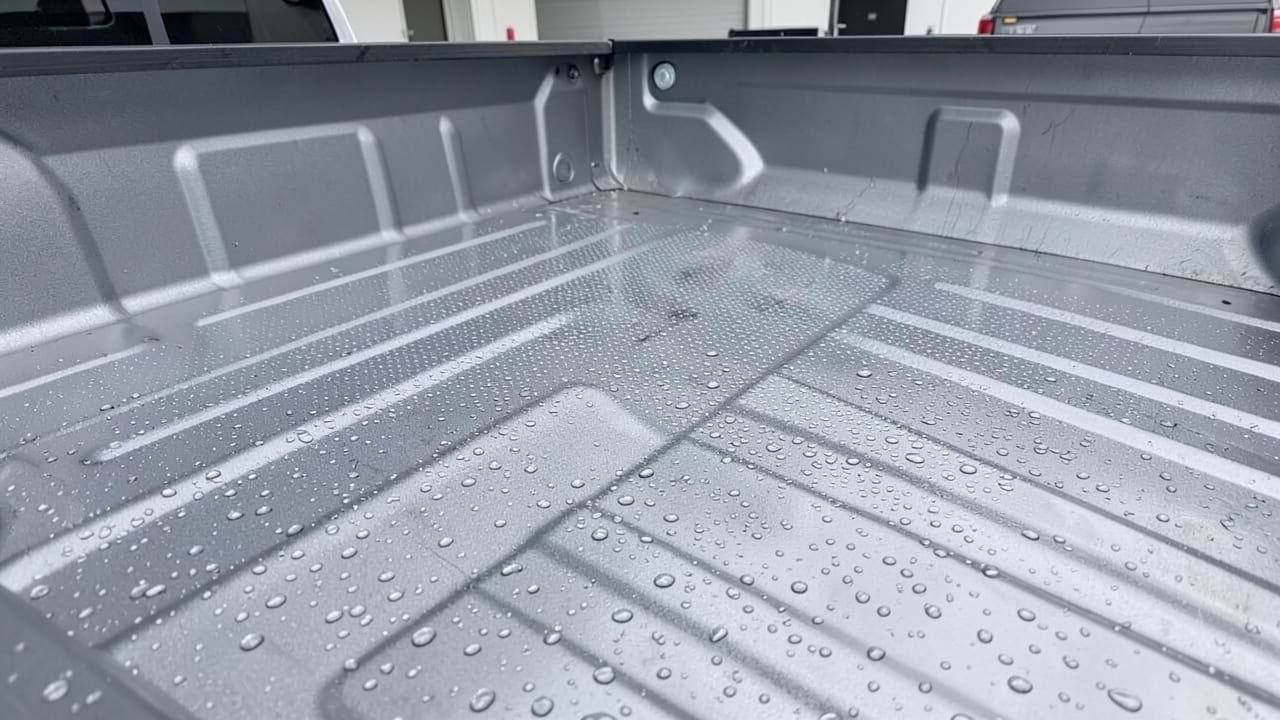
Graphene Coating in Baton Rouge, LA
Graphene coating in Baton Rouge, LA — a premium ceramic alternative with better heat rejection and hydrophobic durability.
Learn More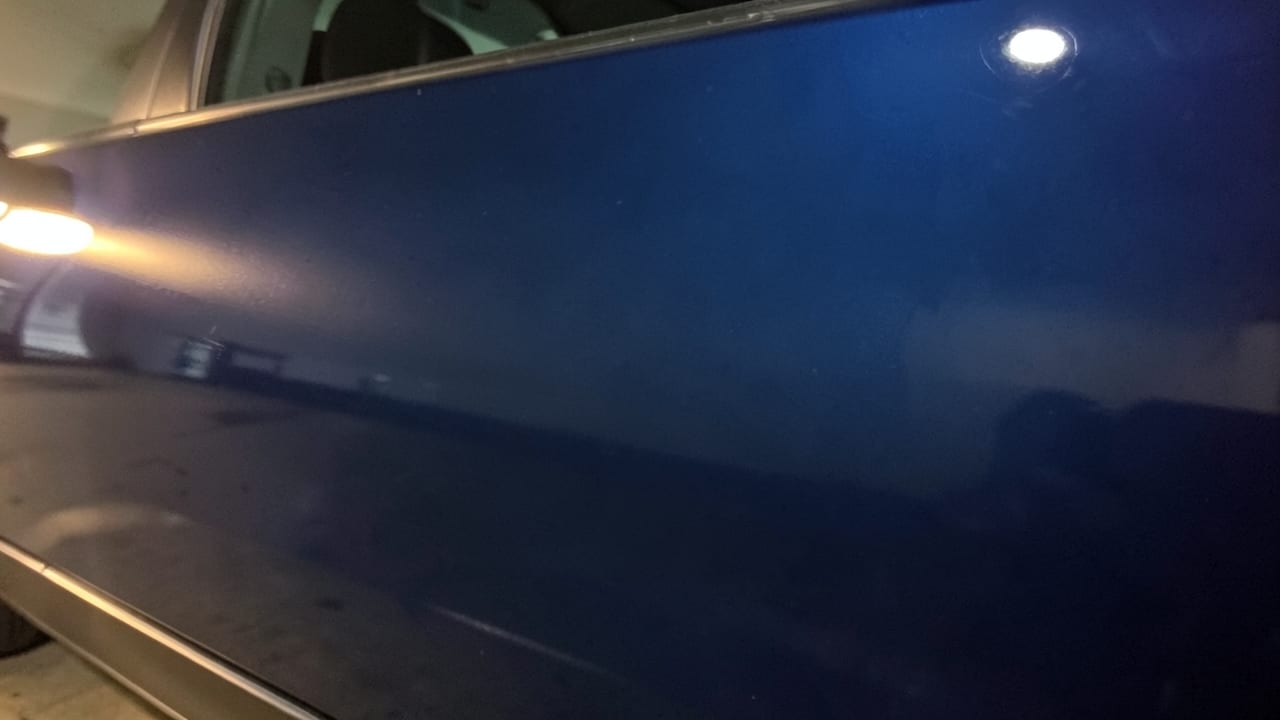
Clay Bar Paint Decontamination in Baton Rouge, LA
Clay bar paint decontamination in Baton Rouge, LA removes bonded surface contaminants a wash alone can't touch, before coating or correction.
Learn MoreCommon Questions About Ceramic Coating in Baton Rouge
Everything you need to know about ceramic coating services in Baton Rouge
How much does Tree Sap Removal typically cost in Baton Rouge, LA?
Does intense UV and dust in Baton Rouge, LA change coating maintenance?
Will a ceramic coating stop rock chips or scratches?
What's the actual difference between wax, paint sealant, and ceramic coating?
Can ceramic coating be applied at home instead of by a detailing shop?
How long does a ceramic coating actually last in real-world use?
Need Ceramic Coating in Baton Rouge?
Get a written quote from our Baton Rouge crew.
⏰ We answer your call • Serving all of Baton Rouge and surrounding areas