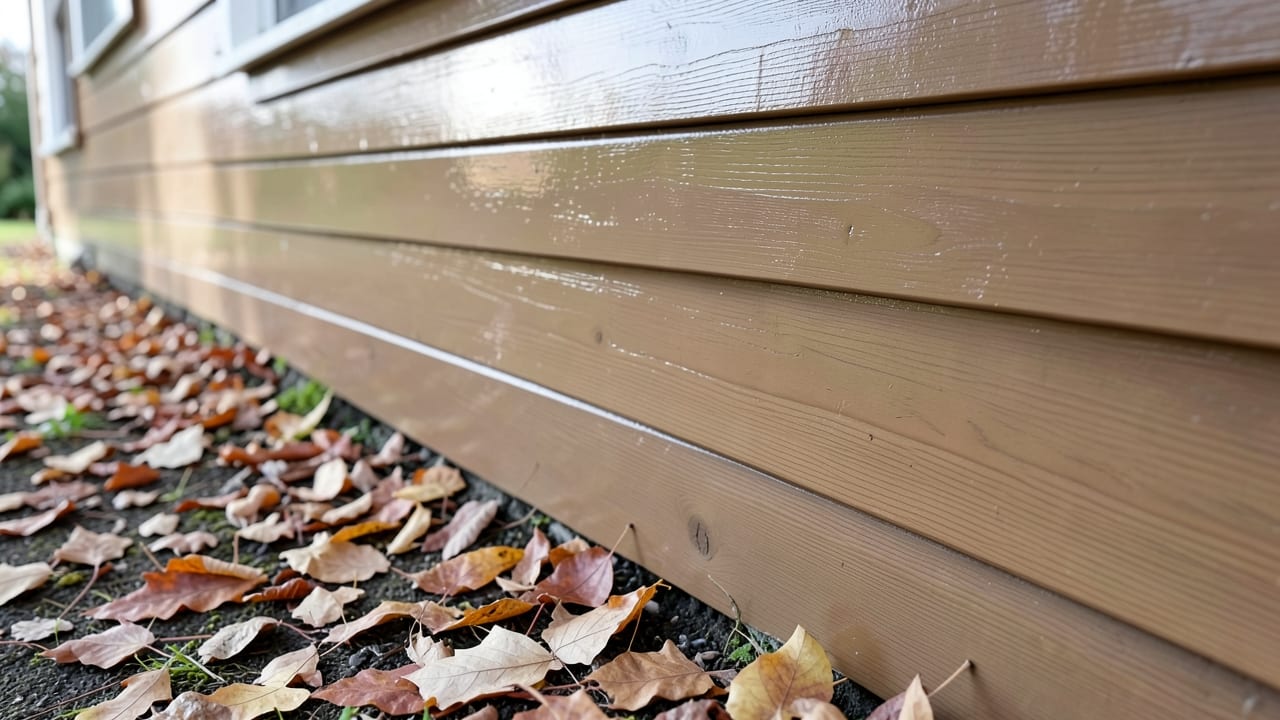
Fall Paint Prep for Winter
Ceramic coating and paint protection applied to homes before winter to prevent damage.
As Baton Rouge’s winter brings cold snaps, humidity, and occasional storms, protecting your vehicle’s exterior paint with a ceramic coating is a smart move. This fall prep shields against UV fading, moisture damage, and road grime, keeping your paint looking fresh and extending its lifespan through the wetter months ahead.
Why fall prep matters in Baton Rouge’s climate
Baton Rouge’s winters are mild but damp, with humidity lingering well into December. Without protection, paint absorbs moisture, leading to peeling, oxidation, and a dull finish. A ceramic coating acts as a barrier, repelling water, reducing UV damage, and making future washes easier by preventing dirt buildup.
We also handle Glass Surface Hydrophobic Treatment and Bird Dropping Removal for Baton Rouge vehicles.
The coating’s hydrophobic properties also help shed rain and road grime faster, cutting down on the need for frequent washes. This is especially useful during Baton Rouge’s occasional downpours or when driving through areas with heavy industrial fallout, like near the Mississippi River or I-10 corridors.
Signs Your Vehicle Needs Fall Paint Prep
- Water no longer beads tightly but spreads or sheets across panels instead of rolling off.
- Paint feels less slick to the touch and more like bare paint when running a hand across it.
- Bug splatter, tree sap, or road grime now requires scrubbing instead of rinsing off with water.
- Panels reflect a slightly duller, less crisp image under direct light compared to before.
What affects your fall prep service
The scope of your fall paint prep depends on your vehicle’s current condition and the type of ceramic coating chosen. A full service includes deep cleaning, decontamination, and applying a multi-layer coating for maximum durability.
If your paint already has light swirls or imperfections, these may need correction before coating to ensure a flawless finish.
Coating tiers vary—SiO2-based coatings offer standard protection, while graphene or hybrid formulas provide longer-lasting hardness. The number of layers also impacts durability, with multi-layer systems typically lasting 2–5 years under proper maintenance.
| Factor | Impact on Service |
|---|---|
| Current paint condition | Swirls or oxidation may require correction before coating; unaddressed flaws become permanent. |
| Coating tier (SiO2 vs. graphene) | Durability ranges from 2–5 years; higher tiers resist UV and chemicals better. |
| Vehicle size and surface area | Larger vehicles (SUVs, trucks) take longer and may cost more than sedans. |
| Prep steps included (clay bar, iron removal) | Skipping steps like iron removal reduces coating adhesion and lifespan. |
Maintenance after your coating
A ceramic coating isn’t a ‘set and forget’ service. To preserve its benefits, stick to a 2–3 week wash interval using pH-neutral soap and the two-bucket method to avoid reintroducing grit. Avoid automatic tunnel washes with spinning brushes, as they scratch coated surfaces.
Every 3–6 months, perform a light clay bar or chemical decontamination to remove bonded contaminants like rail dust or industrial fallout. Top up with a spray sealant booster monthly to refresh water-beading properties between full washes.
How fall paint prep works
A professional fall ceramic coating service follows a precise process to ensure lasting protection.
- 1Deep Cleaning
The vehicle is washed with a pH-neutral soap to remove surface dirt, followed by a two-bucket wash method to prevent grit transfer. Contaminants like tar, rail dust, and industrial fallout are targeted during this step.
- 2Decontamination
A clay bar removes bonded contaminants, and an iron remover is applied to prevent oxidation spots. This ensures the coating adheres smoothly to a clean, bare surface.
- 3Paint Correction (if needed)
Light swirls or imperfections are polished out using dual-action polishers and compound pads. This step is skipped if the paint is already flawless.
- 4Coating Application
The ceramic coating is applied in thin, even layers using a high-quality applicator pad. The vehicle is left to cure for 24–48 hours, during which it must stay dry and away from direct sunlight.
- 5Final Inspection
The coating is inspected for bubbles, streaks, or missed spots. A water-bead test confirms proper hydrophobic properties before the vehicle is released.
Frequently asked questions
Will a ceramic coating protect my car from rock chips or deep scratches?
No. While coatings add surface hardness to resist light swirls and UV damage, they don’t stop rock chips or deep scratches. Think of them as armor for the paint’s top layer, not a shield for impacts.
How long does the coating last, and what shortens its lifespan?
With proper maintenance, coatings last 2–5 years, depending on the tier and environmental exposure. Using wax-stripping soaps, skipping washes, or exposing the coating to road salt accelerates wear.
Can I wash my coated car at a self-serve car wash?
Avoid automatic brush washes—they drag grit across the coating, causing fine scratches. Opt for touchless or hand-wash stations using pH-neutral soap and microfiber towels instead.
What’s the difference between a single-layer and multi-layer coating?
Single-layer coatings are thinner and less durable (typically 1–2 years), while multi-layer systems add extra hardness and longevity (3–5 years). Multi-layer is ideal for Baton Rouge’s humid, wet winters.
Where Baton Rouge sits, and what the Census lists nearby
Baton Rouge sits in Louisiana, and the closest places listed in the U.S. Census Gazetteer are Westminster (3.4 miles southeast), Merrydale (4.4 miles north), Port Allen (4.4 miles west), Inniswold (4.7 miles southeast). Within 25 miles of Baton Rouge the same source lists 38 distinct incorporated places and census-designated places.
Those figures matter for fall paint prep for winter because they are straight-line distances between Census coordinate points: road mileage between Baton Rouge and Westminster runs longer than the 3.4 miles shown, which is why quotes for the same job differ between towns that look close together on a map.
Source: U.S. Census Bureau Gazetteer.
See Village St. George, LA for more, or explore our full Baton Rouge-area coverage on a single page for our complete lineup.
Ready to get started?
Talk to a local ceramic coating pro in Baton Rouge — get a written quote.
Other Ceramic Coating Services in Baton Rouge
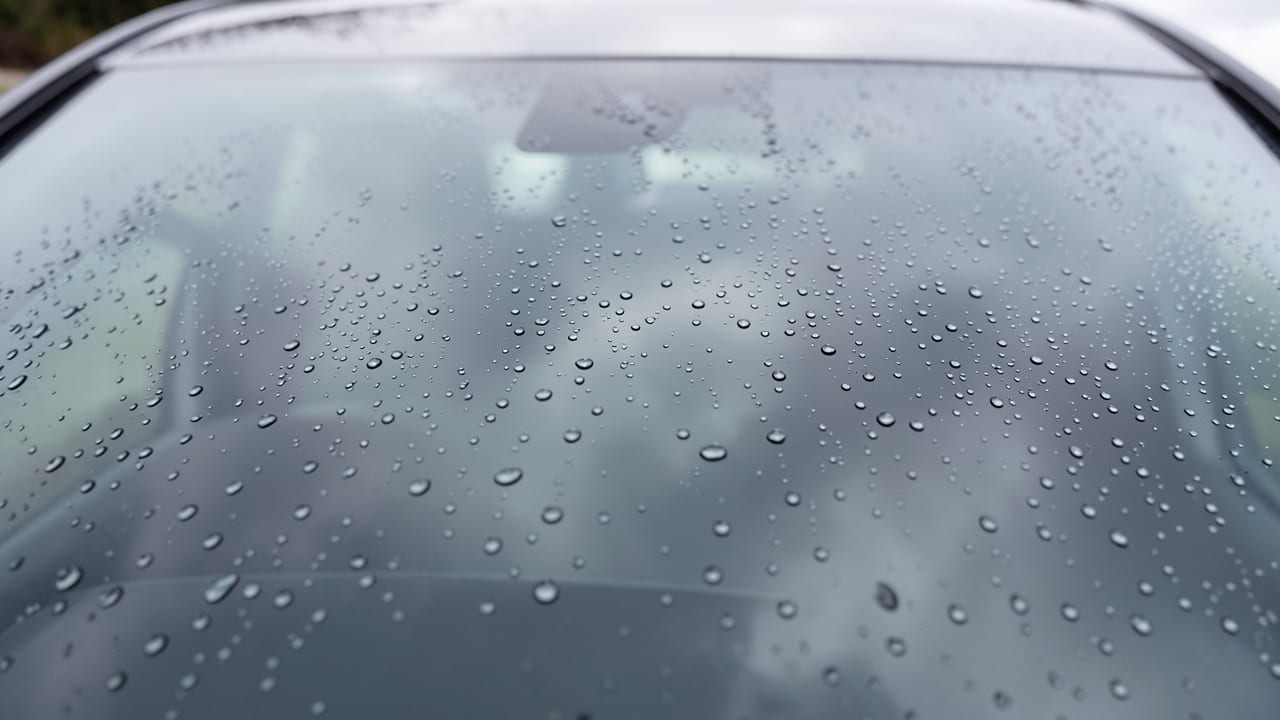
Glass Surface Hydrophobic Treatment in Baton Rouge, LA
Applying a ceramic coating to glass surfaces for water repellency and easier cleaning.
Learn More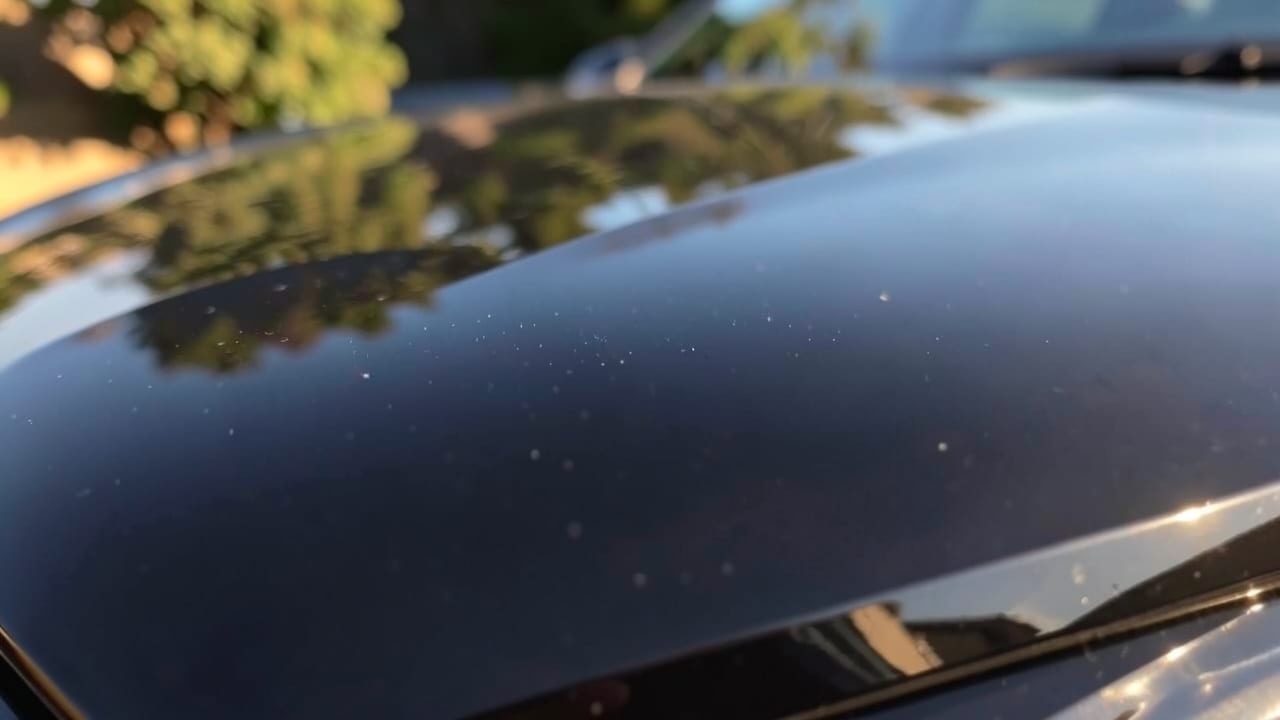
Bird Dropping Removal in Baton Rouge, LA
Professional removal of bird droppings to prevent paint damage and maintain ceramic coatings.
Learn More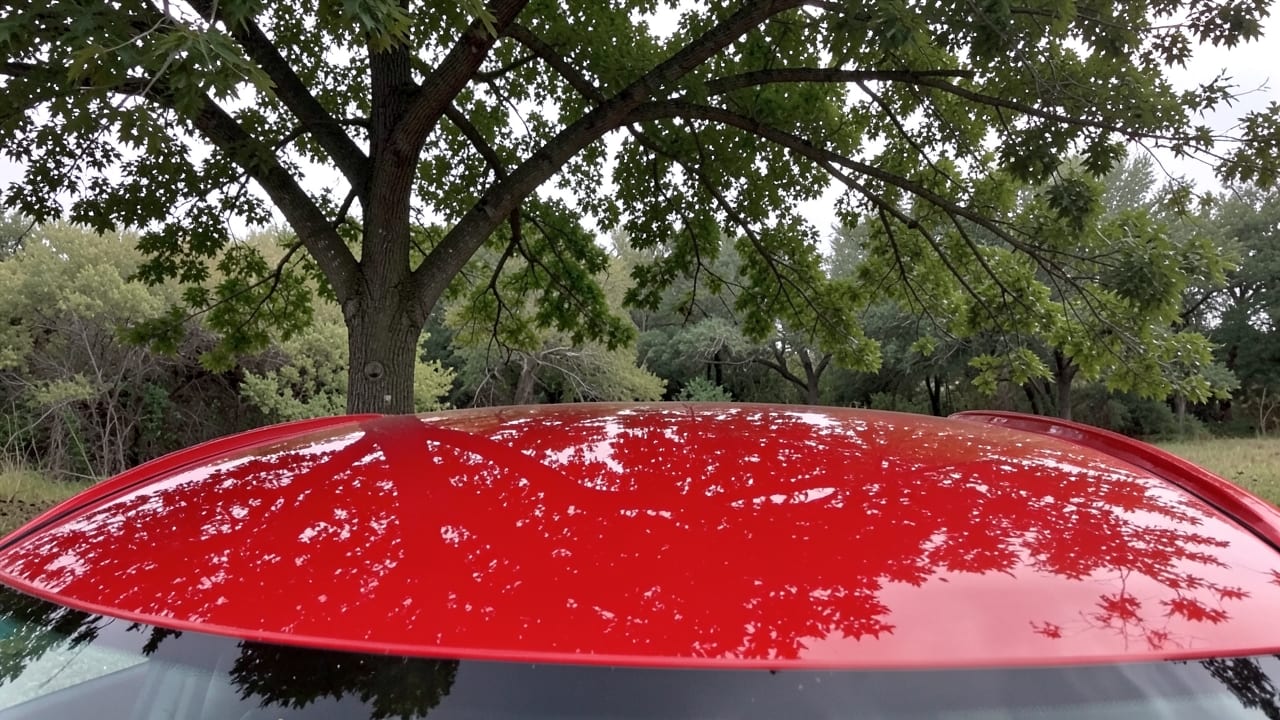
Tree Sap Removal in Baton Rouge, LA
Professional removal of tree sap from vehicle surfaces using safe, paint-friendly methods.
Learn More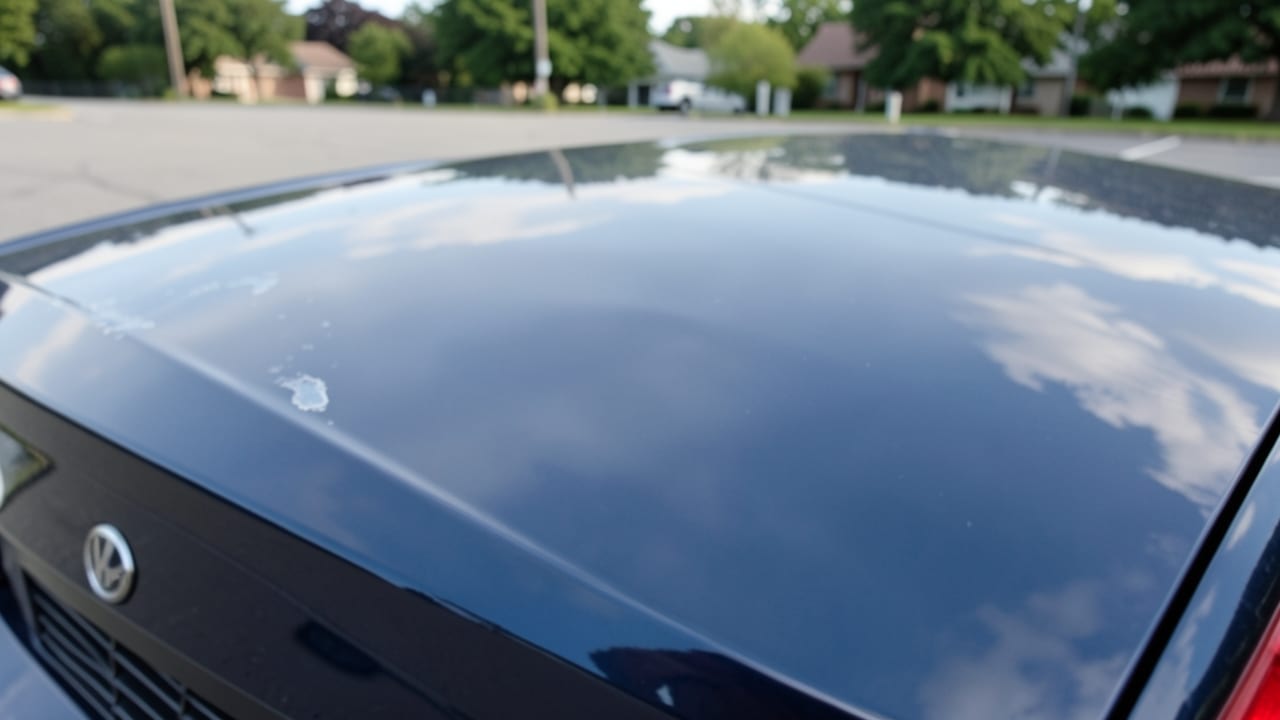
Water Spot Removal in Baton Rouge, LA
Professional removal of water spots from ceramic-coated or painted surfaces to restore appearance.
Learn More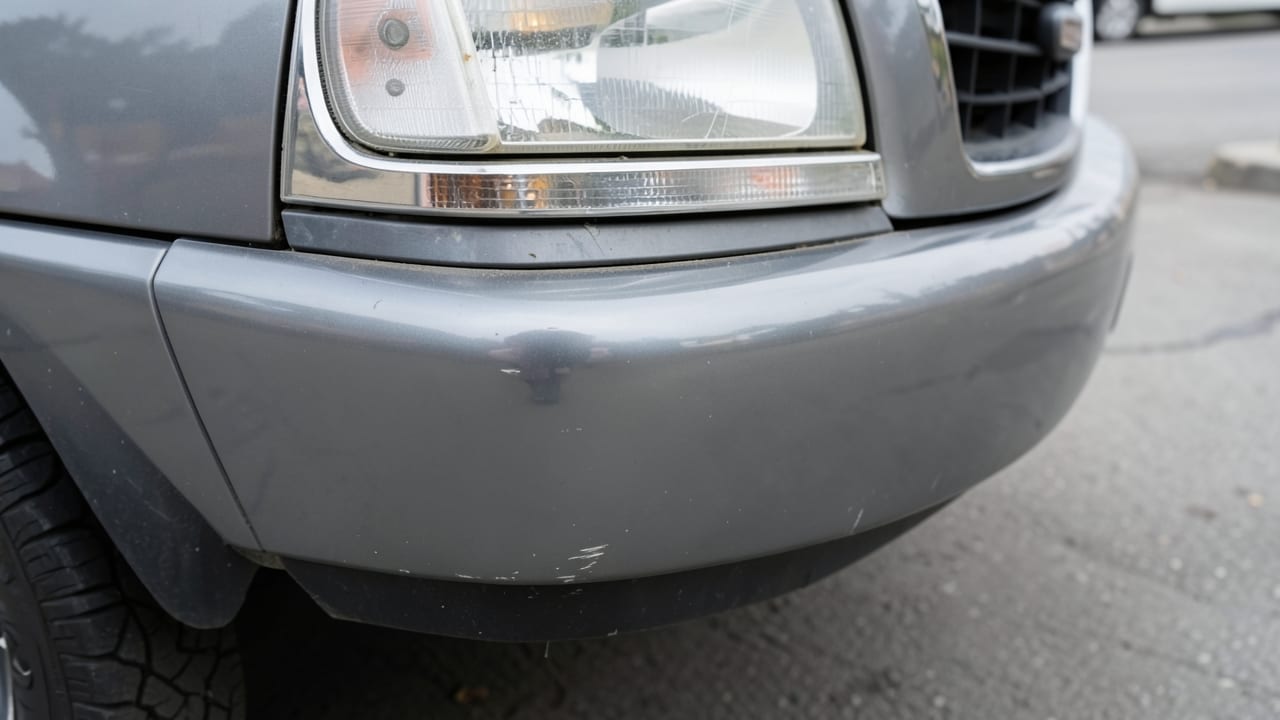
Bug Splatter Removal in Baton Rouge, LA
Professional removal of insect residue from vehicle paint without damaging the ceramic coating or finish.
Learn More
Overspray Removal in Baton Rouge, LA
Removing overspray from vehicles and surfaces to restore original appearance.
Learn MoreCommon Questions About Ceramic Coating in Baton Rouge
Everything you need to know about ceramic coating services in Baton Rouge
How much does Fall Paint Prep for Winter typically cost in Baton Rouge, LA?
Does intense UV and dust in Baton Rouge, LA change coating maintenance?
What's the actual difference between wax, paint sealant, and ceramic coating?
Can ceramic coating be applied at home instead of by a detailing shop?
How long does a ceramic coating actually last in real-world use?
What is the difference between graphene and SiO2 ceramic coatings?
Need Ceramic Coating in Baton Rouge?
Get a written quote from our Baton Rouge crew.
⏰ We answer your call • Serving all of Baton Rouge and surrounding areas