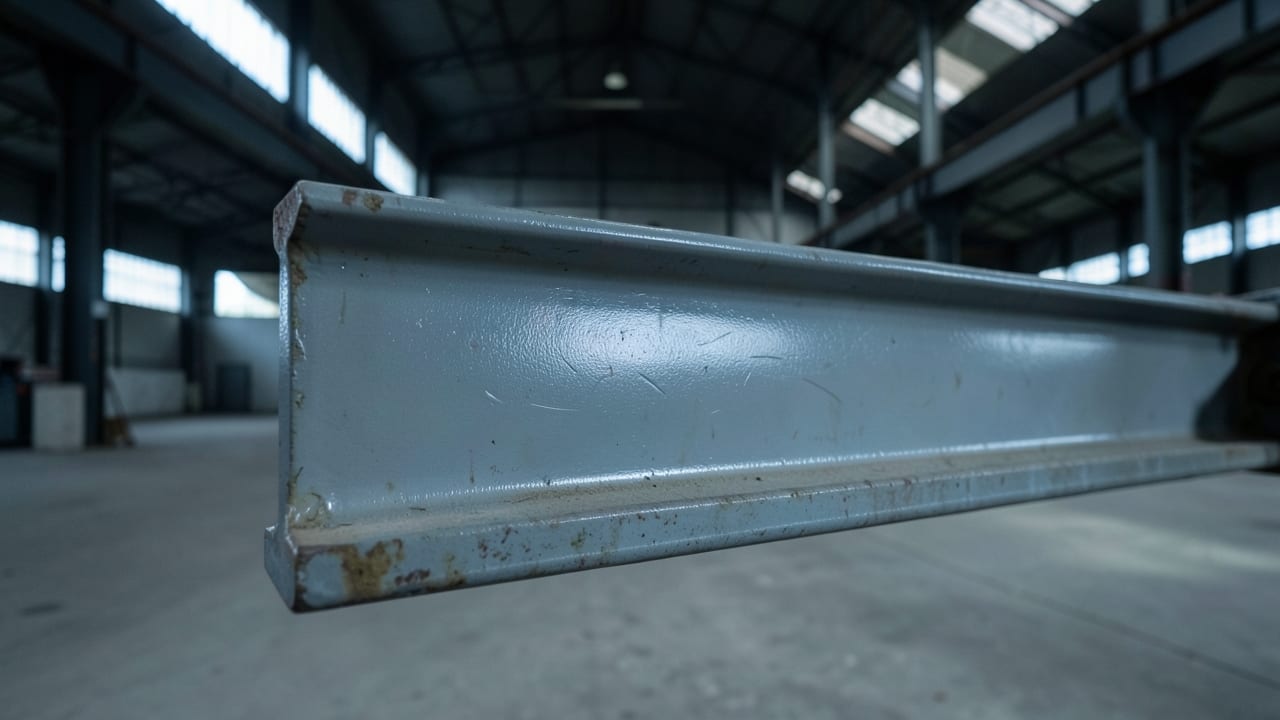
Metal Surface Anti-Corrosion
Ceramic coatings and specialized paints applied to metal surfaces to prevent rust and corrosion.
Metal surface anti-corrosion in Baton Rouge, LA protects your outdoor metal fixtures from the region’s humid climate, salt air, and frequent rain. Ceramic coatings and protective paints shield railings, gates, and furniture from rust, oxidation, and environmental damage, extending their lifespan and maintaining their appearance.
This service is tailored for residential properties where metal surfaces endure year-round exposure to moisture and heat.
We also handle Wheel & Brake Caliper Ceramic Coating and Interior Ceramic Protection for Baton Rouge vehicles.
Signs your metal needs protection
Metal surfaces in Baton Rouge’s climate degrade faster than in drier areas. Look for rust spots, discoloration, or a dull finish on railings, gates, or outdoor furniture—these are clear indicators that protective coatings have worn off. Even minor corrosion can spread quickly in the humidity, compromising structural integrity and safety.
Another sign is water beading unevenly or pooling on metal surfaces instead of rolling off. This suggests the protective layer has degraded, leaving the metal vulnerable to further damage. If you notice these issues, addressing them promptly with anti-corrosion treatment can prevent costly replacements.
Common Corrosion Triggers in Baton Rouge
- Salt air from nearby waterways (e.g., Mississippi River) accelerates rust formation on untreated metal.
- High humidity (average 75%+) traps moisture against metal surfaces, speeding oxidation.
- Direct sunlight degrades protective coatings over time, especially on dark-colored metals.
- Lack of regular cleaning allows dirt, pollen, and sap to bond to metal, trapping moisture and promoting rust.
What the service covers
This service includes applying high-performance ceramic coatings or protective paints to exterior metal surfaces, such as railings, gates, and outdoor furniture. The process begins with thorough cleaning to remove dirt, grease, and existing corrosion, ensuring the coating adheres properly.
In Baton Rouge’s climate, this step is critical to prevent trapped moisture from undermining the protection.
The coating creates a durable barrier against moisture, UV rays, and chemical exposure. Unlike paint, ceramic coatings won’t chip or peel easily, making them ideal for residential metal surfaces that face daily wear. The treatment also enhances the metal’s appearance, restoring a like-new shine while extending its functional lifespan.
| Surface Type | Common Issues in Baton Rouge | Protection Benefits |
|---|---|---|
| Aluminum Railings | Pitting from salt air, discoloration from humidity | UV resistance, corrosion barrier, up to 5+ years of protection |
| Wrought Iron Gates | Rust along welds, weakening from moisture | Sealed joints, reduced maintenance, extended structural integrity |
| Outdoor Furniture | Surface rust, fading from sun exposure | Easy-to-clean finish, resistance to scratches and stains |
| Metal Roofing/Downspouts | Leaks from corroded seams, clogging from debris | Waterproof seal, reduced debris buildup, longer gutter lifespan |
Preparation matters most
Skipping proper preparation—like failing to remove existing rust or clean embedded contaminants—can make even the best coating ineffective. In Baton Rouge’s humid environment, residual moisture or oils left on metal surfaces can cause the coating to peel or bubble over time.
A thorough prep ensures the coating bonds correctly and lasts as long as possible.
This includes sanding down rusted areas, applying a corrosion-inhibiting primer, and ensuring the metal is completely dry before coating. Without these steps, the protection won’t hold up against the region’s persistent moisture and heat cycles.
How metal surface anti-corrosion works
This process restores and protects metal surfaces with a multi-step approach tailored to Baton Rouge’s climate.
- 1Thorough Cleaning
Metal surfaces are pressure-washed to remove dirt, grease, and loose rust. A degreaser is applied to break down oils and contaminants that could prevent the coating from bonding properly. In humid conditions like Baton Rouge’s, this step is critical to avoid trapped moisture.
- 2Rust Removal & Prep
Abrasive tools or chemical strippers remove existing rust and corrosion. The surface is then sanded smooth and wiped down with isopropyl alcohol to eliminate any residual oils or dust. This ensures the coating adheres evenly and lasts longer.
- 3Corrosion-Inhibiting Primer
A specialized primer is applied to create a barrier between the metal and the final coating. This step is essential in Baton Rouge’s climate, where salt air and humidity can quickly undermine unprotected metal.
- 4Ceramic Coating Application
The ceramic coating is sprayed or brushed onto the surface in thin, even layers. It’s cured in a controlled environment to prevent bubbles or uneven drying, which can happen in Baton Rouge’s heat and humidity if not managed properly.
- 5Final Inspection & Touch-Ups
The coated surface is inspected for missed spots or imperfections. Any areas needing additional protection are recoated, and the metal is allowed to fully cure before exposure to rain or direct sunlight.
Frequently asked questions
How long does the anti-corrosion treatment last on metal surfaces in Baton Rouge?
With proper application and maintenance, ceramic coatings on metal surfaces typically last 3–7 years in Baton Rouge’s climate. Regular cleaning and avoiding harsh chemicals can extend this lifespan, as the region’s humidity and salt air accelerate wear on untreated metal.
Will this treatment stop rust from forming on my existing metal railings?
The treatment slows and prevents new rust by creating a protective barrier, but it won’t reverse active corrosion. Any existing rust must be removed during prep—otherwise, it can spread beneath the coating over time. For severe rust, additional sanding or chemical treatment may be needed before coating.
Do I need to remove my outdoor furniture or decor before the service?
Yes. While the service can be performed in place for permanent fixtures like railings, loose items (furniture, decorative metal pieces) must be disassembled or moved. This ensures thorough cleaning, rust removal, and even coating application, especially important in Baton Rouge’s humid conditions where moisture can hide in crevices.
How soon can I use my treated metal surfaces after the coating is applied?
Most ceramic coatings require 3–7 days of cure time before exposure to rain or heavy use. During this period, avoid touching or cleaning the surface to prevent smudges or damage. Baton Rouge’s heat and humidity can speed up curing, so follow your technician’s specific guidance.
Where Baton Rouge sits, and what the Census lists nearby
Baton Rouge sits in Louisiana, and the closest places listed in the U.S. Census Gazetteer are Westminster (3.4 miles southeast), Merrydale (4.4 miles north), Port Allen (4.4 miles west), Inniswold (4.7 miles southeast). Within 25 miles of Baton Rouge the same source lists 38 distinct incorporated places and census-designated places.
Those figures matter for metal surface anti-corrosion because they are straight-line distances between Census coordinate points: road mileage between Baton Rouge and Westminster runs longer than the 3.4 miles shown, which is why quotes for the same job differ between towns that look close together on a map.
Source: U.S. Census Bureau Gazetteer.
See Watson, LA for more, or browse what's included in our Baton Rouge service by neighborhood for our complete lineup.
Ready to get started?
Talk to a local ceramic coating pro in Baton Rouge — get a written quote.
Other Ceramic Coating Services in Baton Rouge
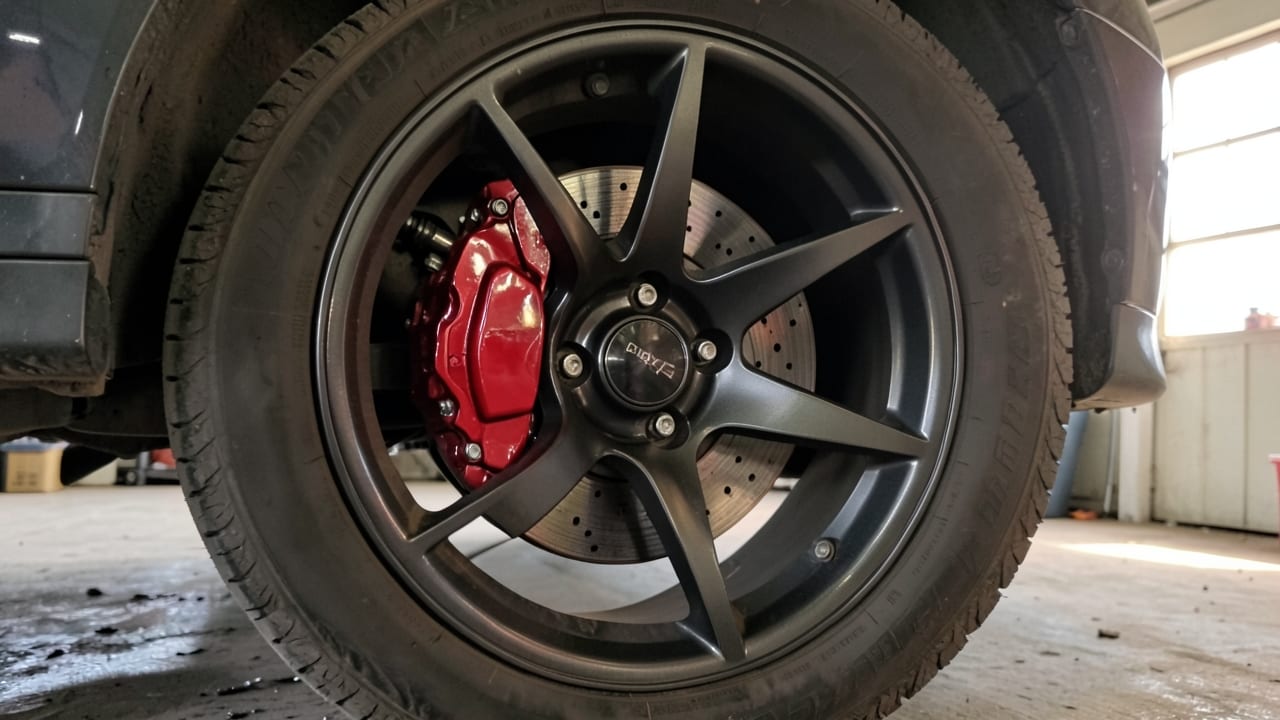
Wheel & Brake Caliper Ceramic Coating in Baton Rouge, LA
Dedicated ceramic coating for wheels and brake calipers in Baton Rouge, LA — stops brake dust and corrosive grime from bonding to the finish.
Learn More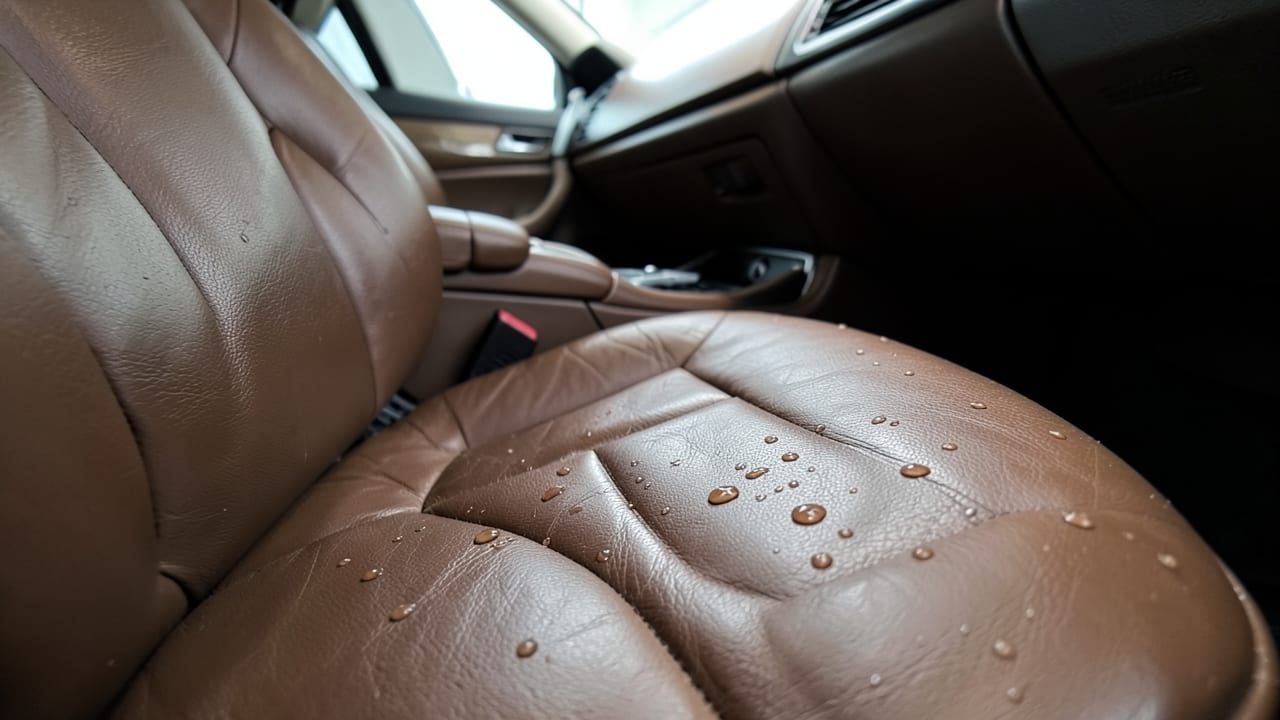
Interior Ceramic Protection in Baton Rouge, LA
Interior fabric, leather, and trim ceramic protection in Baton Rouge, LA — guards against spills, UV fading, and daily wear.
Learn More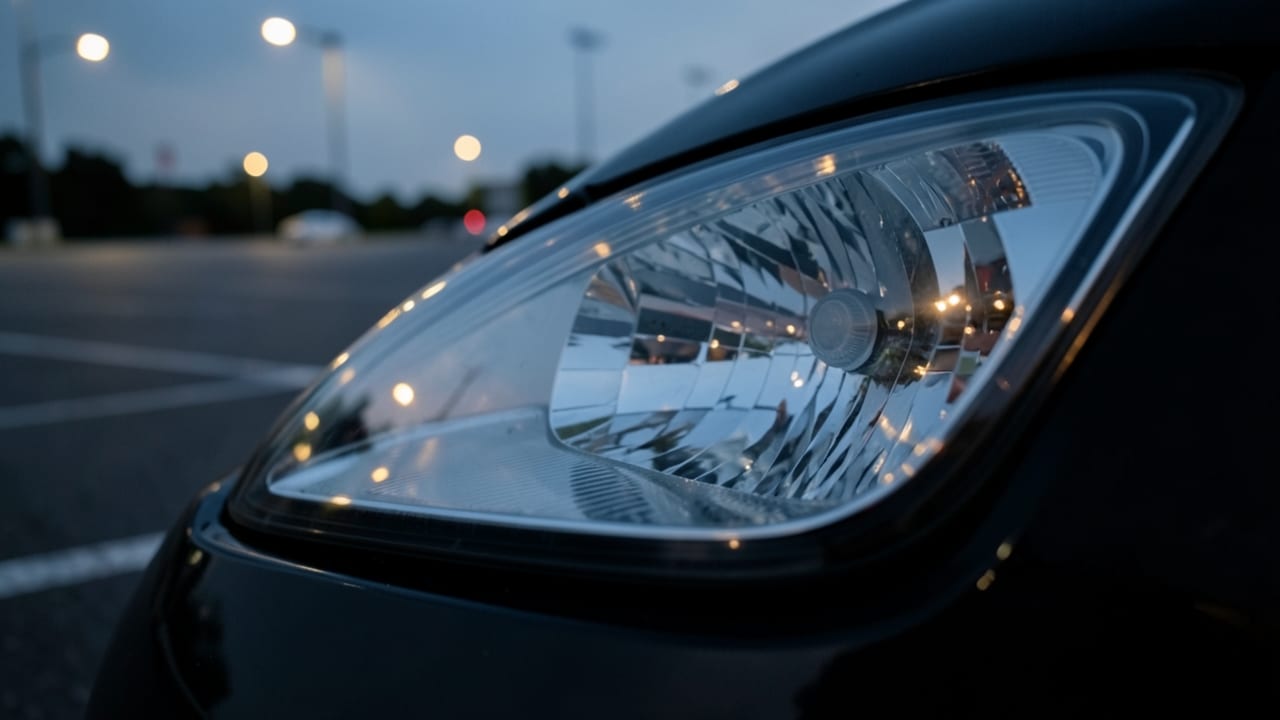
Headlight Restoration & Coating in Baton Rouge, LA
Headlight restoration and UV-protective coating in Baton Rouge, LA — restores clarity and nighttime visibility without replacing the assembly.
Learn More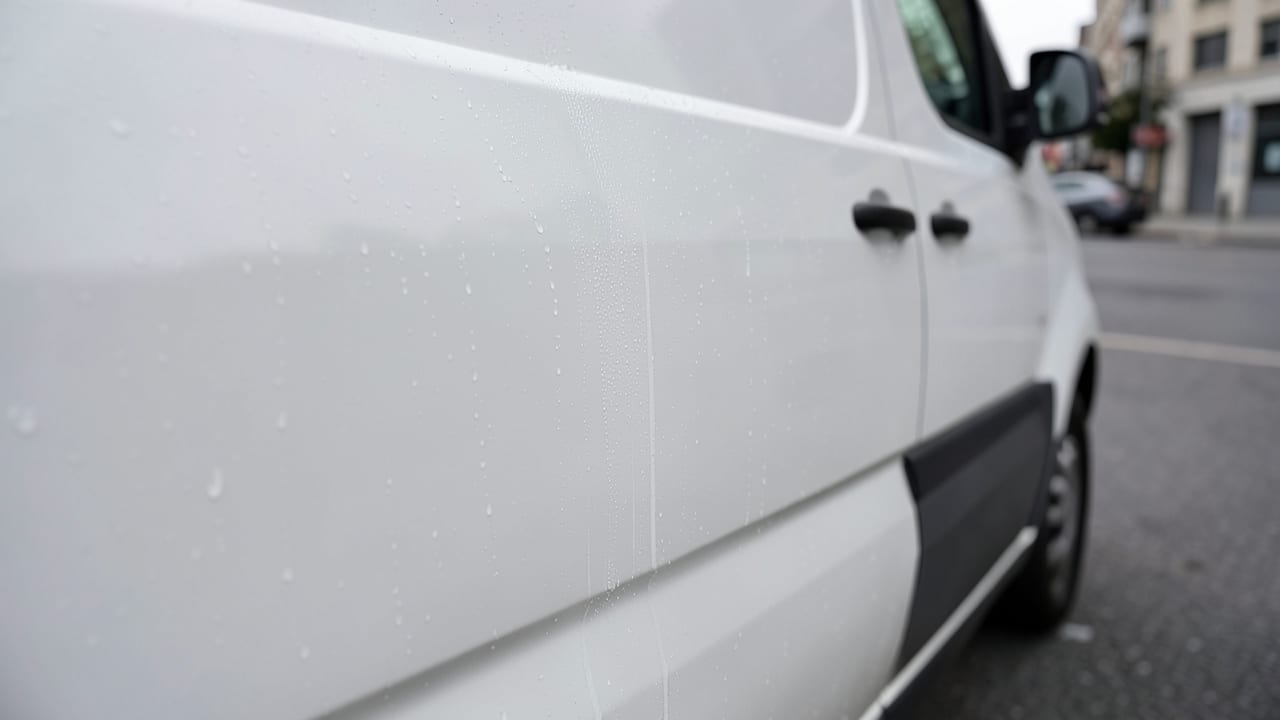
Fleet & Commercial Vehicle Coating in Baton Rouge, LA
Ceramic coating programs for fleets and commercial vehicles in Baton Rouge, LA — faster washing, longer-lasting branded wraps, and protected resale value.
Learn More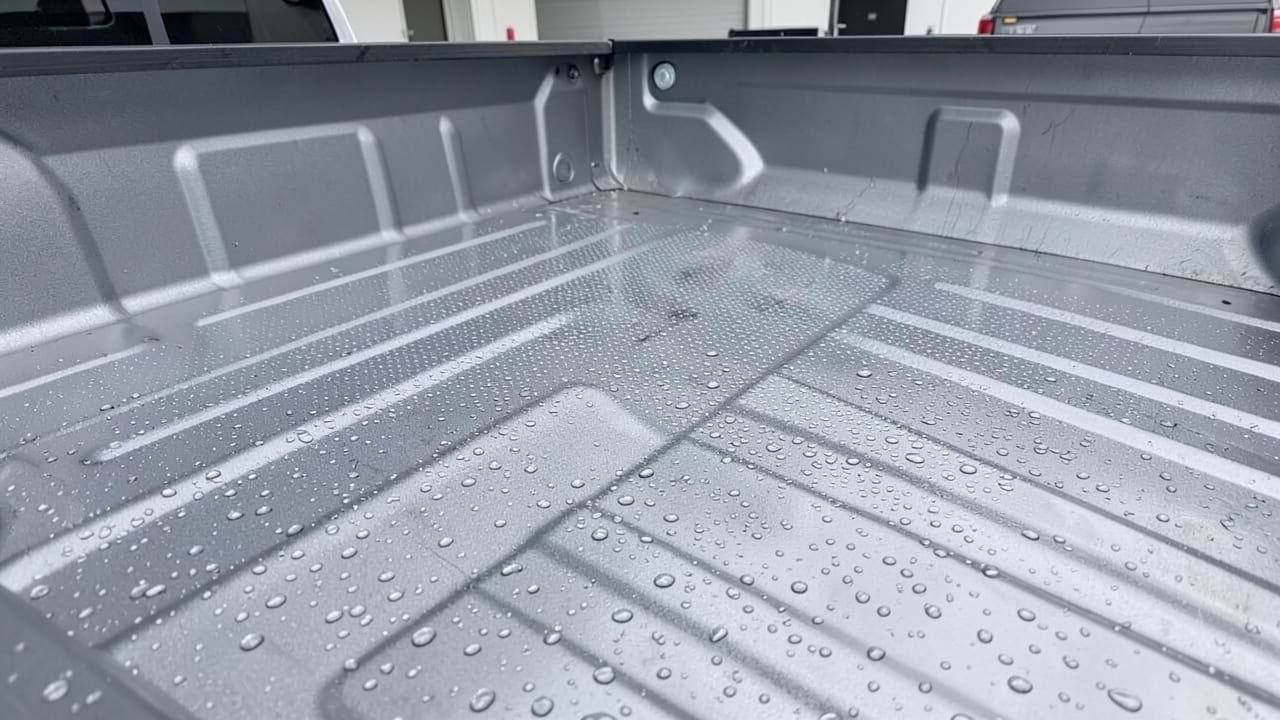
Graphene Coating in Baton Rouge, LA
Graphene coating in Baton Rouge, LA — a premium ceramic alternative with better heat rejection and hydrophobic durability.
Learn More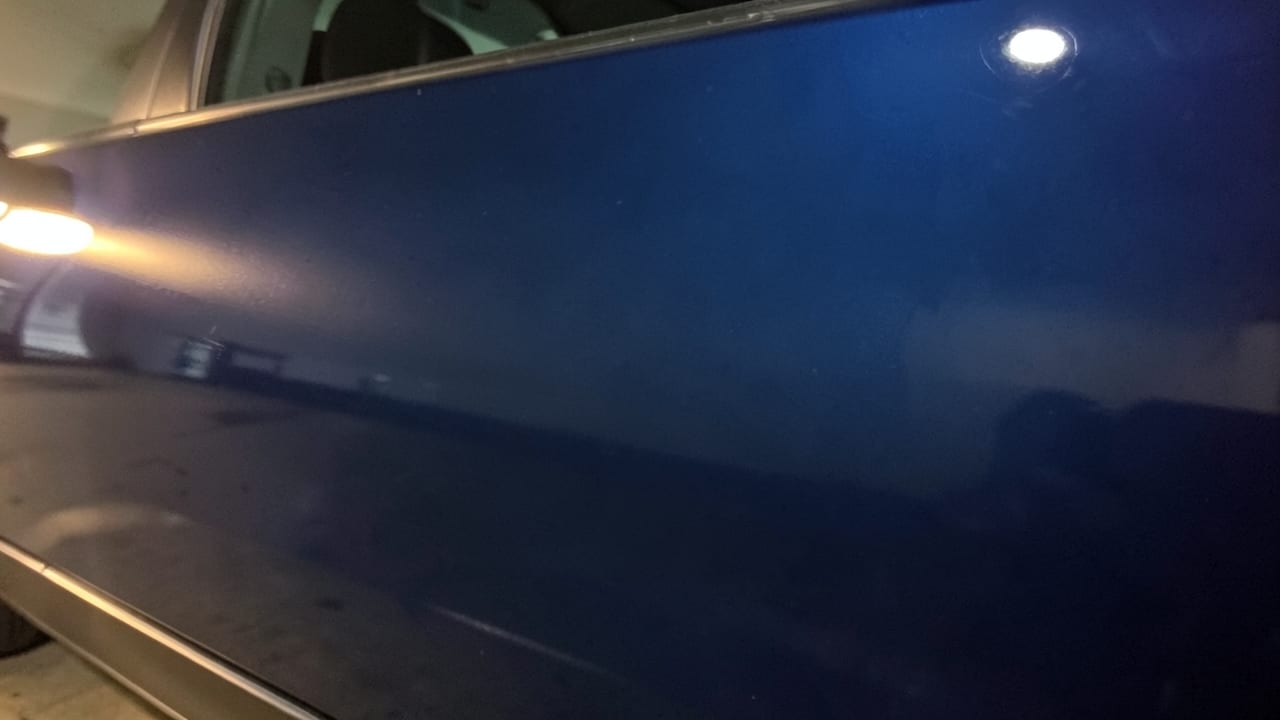
Clay Bar Paint Decontamination in Baton Rouge, LA
Clay bar paint decontamination in Baton Rouge, LA removes bonded surface contaminants a wash alone can't touch, before coating or correction.
Learn MoreCommon Questions About Ceramic Coating in Baton Rouge
Everything you need to know about ceramic coating services in Baton Rouge
How much does Metal Surface Anti-Corrosion typically cost in Baton Rouge, LA?
Does intense UV and dust in Baton Rouge, LA change coating maintenance?
How long does a ceramic coating actually last in real-world use?
What is the difference between graphene and SiO2 ceramic coatings?
Does a ceramic coating need to be topped up over time?
Can a ceramic coating be applied over existing swirl marks or light scratches?
Need Ceramic Coating in Baton Rouge?
Get a written quote from our Baton Rouge crew.
⏰ We answer your call • Serving all of Baton Rouge and surrounding areas